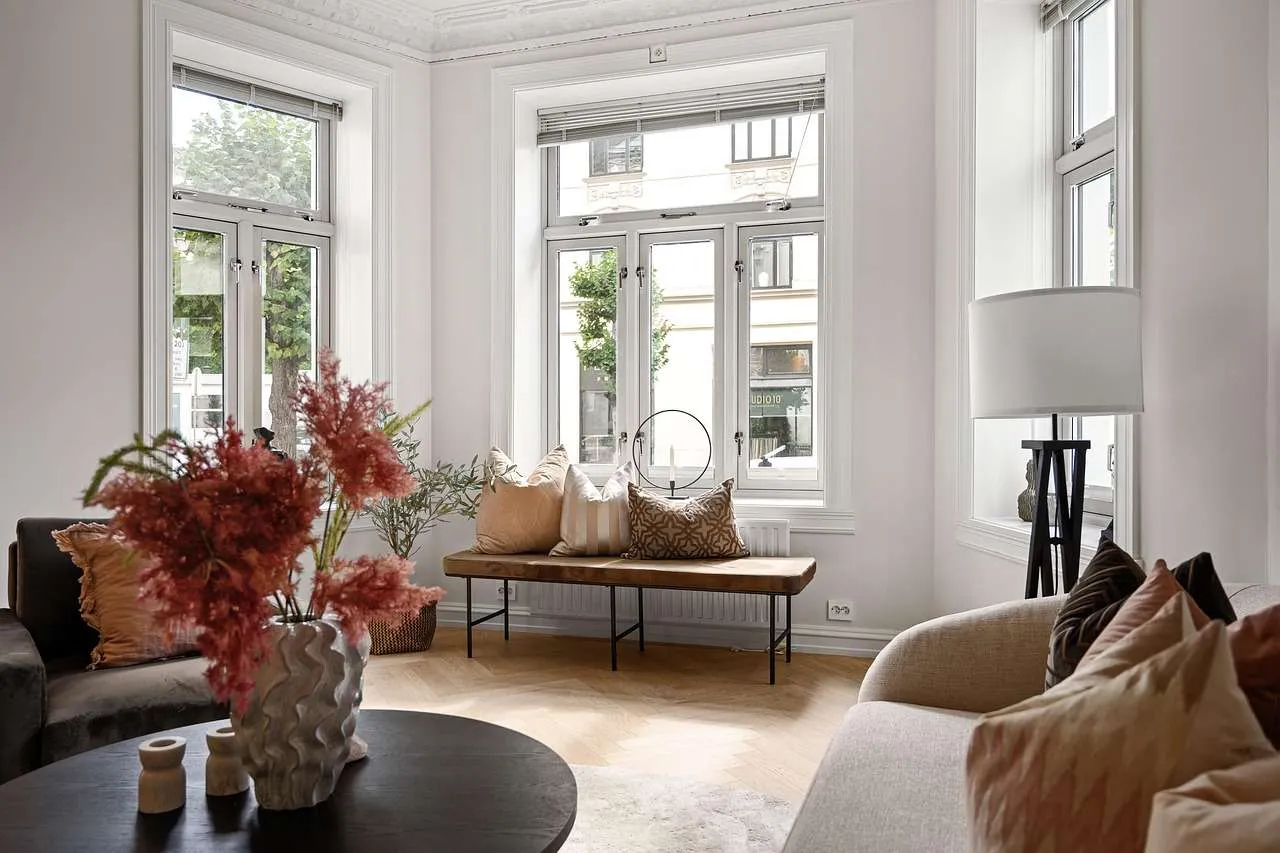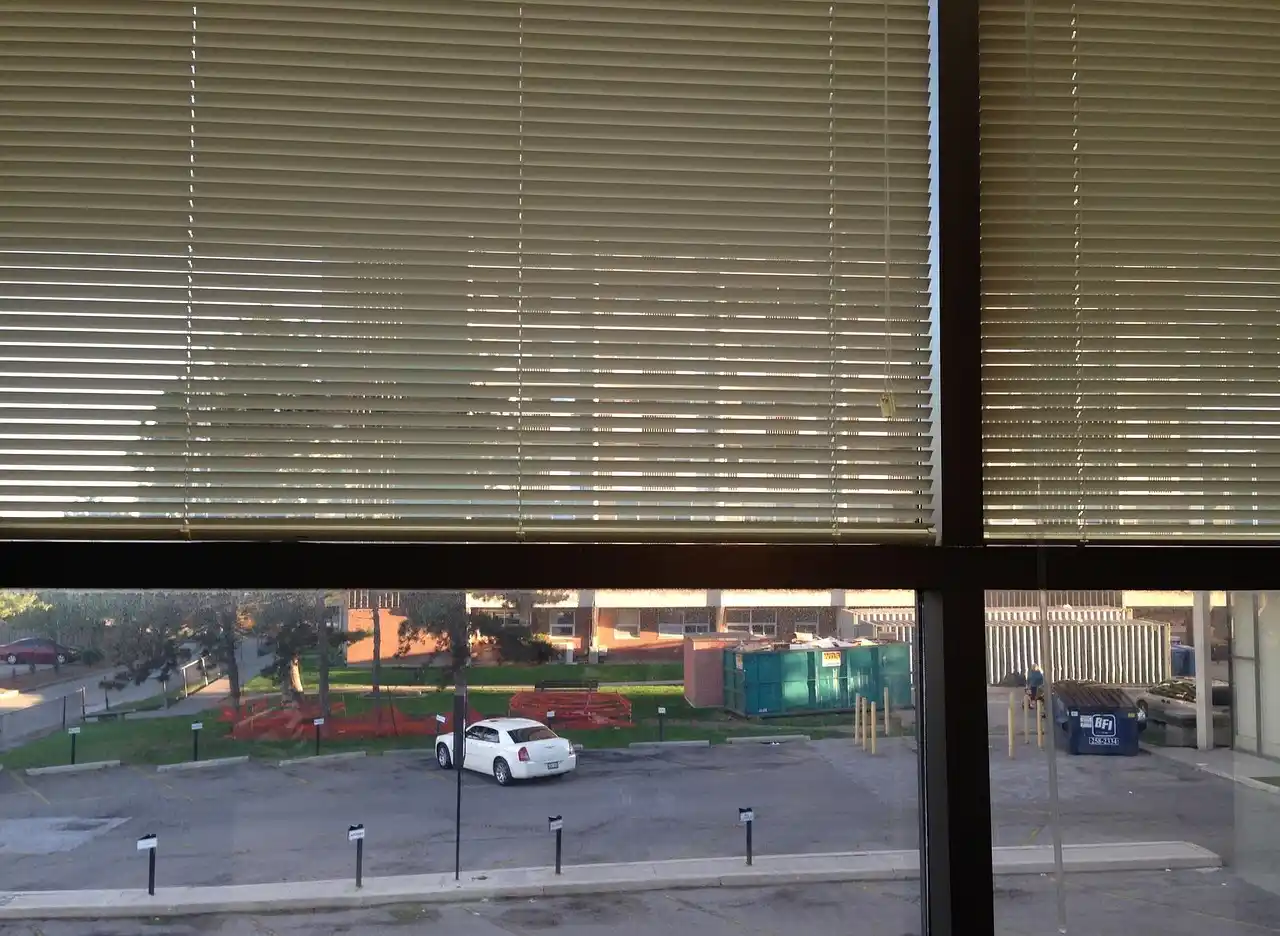
Home window tinting refers to applying a thin film to interior or exterior glass to control heat, glare, and privacy. Modern films are durable, optically clear, and designed to adhere to windows without altering exterior aesthetics. This guide explains how to choose and install window tint for a home, what benefits to expect, and how to maintain it for long life.
Benefits of home window tinting
- Energy savings by reducing solar heat gain, which lowers cooling costs
- UV protection that helps preserve furnishings and carpet colors
- Glare reduction for comfortable work and leisure spaces
- Enhanced privacy without heavy drapes
- Added safety with shatter resistance and film reinforcement during impact
Common types of window tint films
Dyed films
Dyed films are affordable and provide color and privacy. They absorb solar energy but offer moderate heat rejection and can fade over time if not properly rated.
Metalized films
Metalized films use metallic particles to reflect heat. They provide strong heat rejection and some glare control but can interfere with certain electronic signals and may appear mirrored from the outside in bright sun.
Ceramic films
Ceramic films deliver high heat rejection without metal, preserving the signal of radios and phones while maintaining a clear view. They are durable and offer excellent longevity.
Carbon films
Carbon based films offer deep color, steady heat control, and good UV protection while avoiding the metallic look. They resist staining and fading well.
Dual reflective and other advanced films
Dual reflective and similar films combine exterior reflective coatings with interior tint. They provide strong heat control and privacy but may alter exterior appearance, especially from certain angles.
Choosing the right tint for your home
Key decisions revolve around visible light transmittance VLT which measures how much light passes through. A lower VLT means more privacy and darker interiors while a higher VLT preserves natural light. In sunny climates consider 35 50 VLT for living spaces, and 20 35 VLT for rooms needing more glare control. Always check local rules for front windows as well as safety and warranty requirements. Pick a film with a warranty and verify compatibility with your window type and frame material.
DIY vs professional installation
DIY installation can be rewarding for small projects, but professional installation is recommended for most homes. Professionals ensure a bubble free finish, edge seal to resist peeling, and correct curing time. They also protect the window warranty by following manufacturer instructions and local codes.
Maintenance and care
Clean tinted windows with a soft cloth or sponge and a mild, non ammonia cleaner. Avoid abrasive pads and harsh solvents that can scratch films or degrade adhesion. Regular inspection for edge peeling and staining will extend film life.
Cost and return on investment
Costs vary by film type, climate, and window area. Typical residential installation runs from a few dollars to several dollars per square foot, depending on the film and whether installation is DIY or professional. While initial outlays matter, energy savings and furniture protection add up over time to improve overall ROI.
Legal considerations and safety
Local regulations may set minimum or maximum light transmission levels for certain windows. Always verify compliance with building codes and HOA guidelines if applicable. Use high quality films from reputable manufacturers to ensure safety, durability, and warranty support.
Comparison of common tint types
| Type | Heat Rejection | UV Protection | Durability | Cost Range | Best For |
|---|---|---|---|---|---|
| Dyed films | Low to mid | High | Moderate | $2–$4 per sq ft | Budget privacy |
| Metalized films | High | Very High | Moderate | $3–$6 per sq ft | Heat control, glare reduction |
| Ceramic films | Very High | Very High | High | $5–$8 per sq ft | Best performance |
| Carbon films | Good | Very High | High | $4–$7 per sq ft | Balanced performance |
| Dual reflective films | High | High | Moderate | $3–$6 per sq ft | Exterior look, glare control |
Conclusion
Summary Home window tinting offers a practical path to comfort, energy efficiency, and interior protection. By selecting the right film type, considering local regulations, and using qualified installers, homeowners maximize value and preserve warranties while enjoying durable aesthetics.